Artificial intelligence voice synthesis continues to transform content creation, enabling realistic speech generation for videos, games, education, and accessibility tools. Among emerging open-source solutions, GPT-SoVITS has gained strong attention for its ability to generate highly natural speech using advanced voice cloning techniques. Growing interest often raises a key question: Does GPT-SoVITS offer a free usage model, or does it require payment?
A clear understanding of its pricing structure, licensing model, and usage conditions helps creators, developers, and businesses decide whether this tool fits their workflows. This article explores GPT-SoVITS in depth, focusing on cost, accessibility, capabilities, and practical use cases.
Understanding GPT-SoVITS
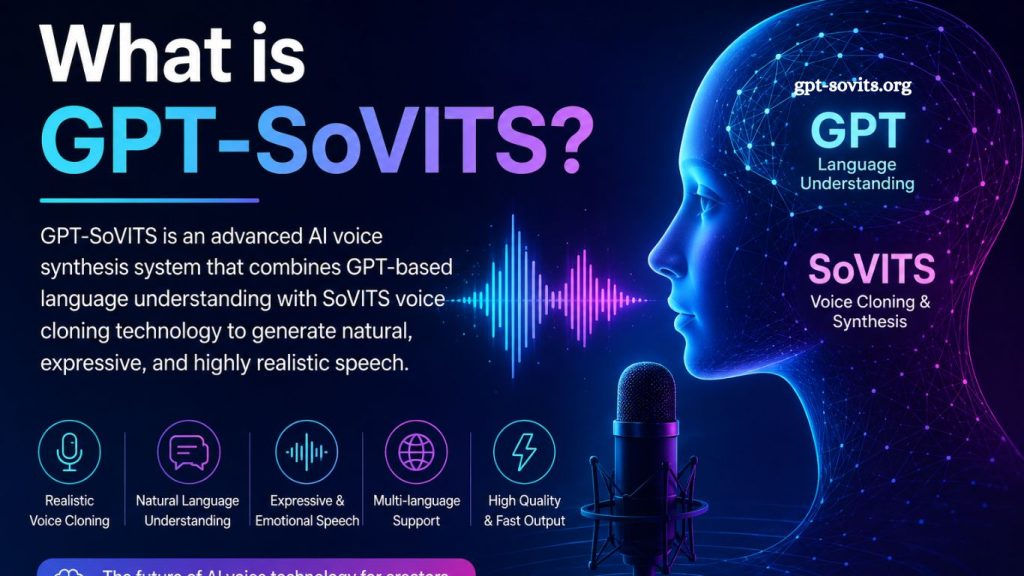
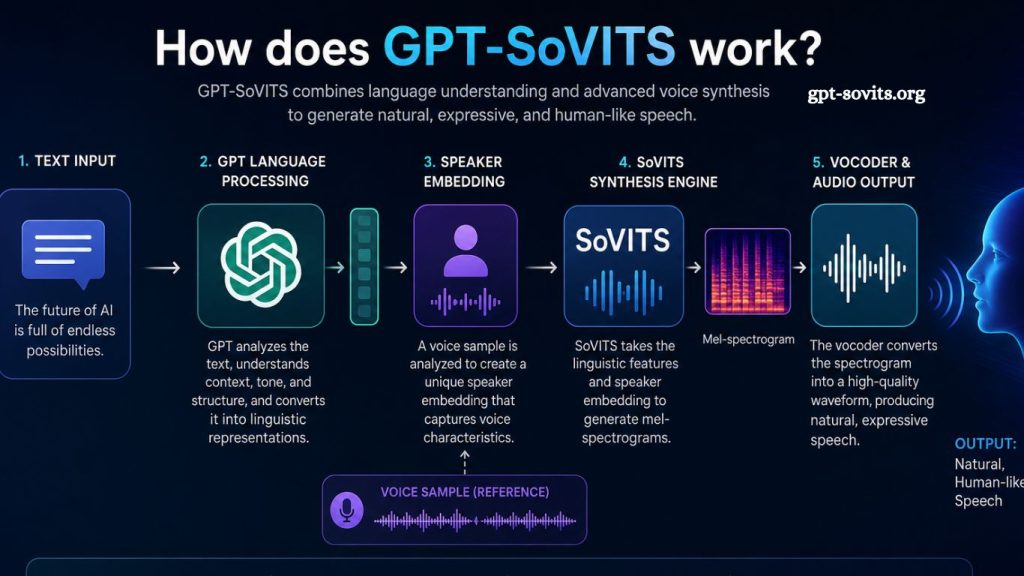
GPT-SoVITS represents a modern approach to voice synthesis that combines two powerful technologies: GPT-based modeling and SoVITS (SoftVC VITS). This combination enables the system to generate expressive, natural-sounding speech while preserving voice identity from short audio samples.
Voice cloning accuracy stands as one of its strongest features. Users can train or fine-tune the model with minimal data and produce speech that closely resembles a target speaker. Developers frequently use it for dubbing, narration, virtual assistants, and AI-driven storytelling.
Read More: How GPT-SoVITS Works: Complete Overview
Open-source availability plays a key role in its popularity, especially among researchers and independent creators seeking cost-effective speech synthesis tools.
GPT-SoVITS Pricing Model Explained
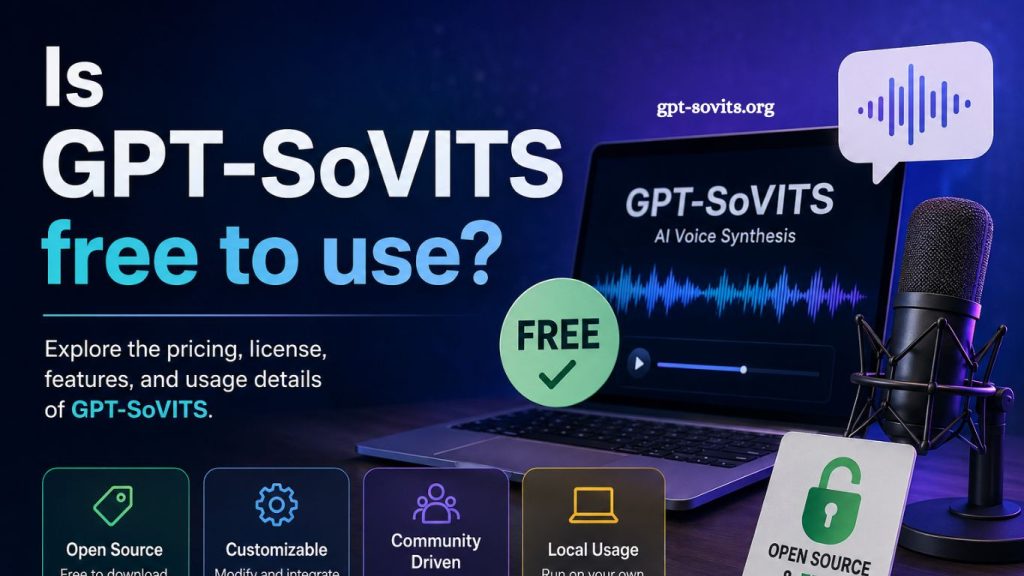
Cost expectations often create confusion for new users. GPT-SoVITS does not operate as a commercial SaaS platform with subscription tiers. Core distribution follows an open-source model, meaning users can access, download, and modify the project without paying licensing fees.
Open-source structure typically allows:
- Free access to source code
- Free model usage for personal and research purposes
- Community-driven improvements and updates
- Local deployment without mandatory cloud payments
Ownership rights remain flexible, but usage terms may depend on repository-specific licenses. Most implementations follow permissive or research-oriented licensing, allowing experimentation and non-commercial deployment at no cost.
Is GPT-SoVITS Completely Free?
Basic usage of GPT-SoVITS remains free in most cases. Users can install the system locally and run voice synthesis tasks without paying subscription fees. This makes it attractive for developers and hobbyists who want full control over voice generation workflows.
Cost-free access, however, does not always mean zero expense in practice. Certain indirect requirements may apply:
- GPU hardware for efficient processing
- Storage space for model files and datasets
- Technical setup and configuration time
- Optional cloud computing costs if deployed remotely
Free usage depends on local execution. Cloud-hosted versions or third-party platforms may introduce pricing models, but these are external to the core project.
Licensing Considerations
Open-source licensing defines how GPT-SoVITS can be used, modified, and distributed. Most versions emphasize research-friendly usage, allowing developers to experiment and build derivative projects.
Key licensing aspects include:
- Personal use permitted without fees
- Academic and research applications are generally supported
- Commercial use may require review of specific repository terms
- Redistribution rules vary by fork or implementation
Checking the official repository license remains essential before commercial deployment. Some versions may restrict commercial voice cloning or require attribution.
Core Features That Drive Popularity
GPT-SoVITS attracts attention due to its combination of flexibility and voice quality. Several features stand out:
High-Quality Voice Cloning
Short audio samples can produce recognizable voice replication. This capability reduces the need for large training datasets.
Multilingual Support
The system architecture supports multiple languages, making it suitable for global content creation and localization.
Open-Source Flexibility
Developers can modify architecture, integrate APIs, or embed it into larger AI pipelines without vendor restrictions.
Fast Iteration
Model training and inference pipelines allow rapid experimentation compared to traditional TTS systems.
Community Contributions
Active developer communities continuously improve performance, stability, and usability.
Practical Applications
GPT-SoVITS extends beyond basic text-to-speech conversion. Real-world applications include:
Content Creation
YouTubers, podcasters, and video editors use AI-generated narration to streamline production workflows.
Game Development
Indie developers integrate synthetic voices for characters without hiring voice actors.
Education Tools
E-learning platforms generate multilingual lessons with consistent voice quality.
Accessibility Solutions
Assistive technologies use voice synthesis to support visually impaired users.
Localization and Dubbing
Media companies adapt content into different languages while maintaining a consistent voice identity.
Installation and Usage Overview
Using GPT-SoVITS typically requires technical setup. Installation involves cloning the repository, configuring dependencies, and running model inference scripts.
General workflow includes:
- Setting up Python environment
- Installing required libraries
- Downloading pretrained models
- Preparing voice samples for cloning
- Running inference for speech generation
GPU acceleration significantly improves performance. Users without GPUs may experience slower processing times.
Command-line usage remains common, though some community interfaces provide GUI-based alternatives for easier access.
Advantages of Free Availability
Free access creates strong benefits for individuals and organizations exploring AI voice synthesis.
Cost Efficiency
No licensing fees, lower barriers for startups and independent developers.
Experimentation Freedom
Open access enables unrestricted testing and model customization.
Innovation Growth
Community contributions accelerate improvements faster than closed systems.
Educational Value
Students and researchers gain hands-on experience with modern speech synthesis technology.
Limitations to Consider
Free and open-source models still face certain limitations:
- Requires technical knowledge for setup
- Hardware dependency for optimal performance
- Occasional instability in experimental builds
- Voice quality varies based on training data
- Limited official customer support
Commercial-grade stability may require additional engineering or integration effort.
GPT-SoVITS vs Paid Alternatives
Comparison with commercial TTS platforms highlights key differences:
| Feature | GPT-SoVITS | Paid TTS Services |
|---|---|---|
| Cost | Free (open-source) | Subscription-based |
| Customization | High | Limited |
| Setup Complexity | High | Low |
| Voice Quality | High (depends on model) | Consistently high |
| Support | Community-driven | Official support |
Paid platforms offer simplicity and reliability, while GPT-SoVITS delivers flexibility and zero licensing cost.
Who Should Use GPT-SoVITS?
Ideal users include:
- AI researchers exploring speech synthesis
- Developers building custom voice applications
- Content creators need cost-free narration tools
- Students learning machine learning and NLP
- Tech enthusiasts experimenting with AI voice cloning
Non-technical users may require additional setup support or preconfigured builds.
Frequently Asked Questions
Is GPT-SoVITS completely free to use?
Yes, GPT-SoVITS is free in its open-source form. Users can download, install, and run it without subscription fees, although hardware or setup costs may apply.
Do I need to pay for commercial use of GPT-SoVITS?
Commercial use depends on the specific repository license. Some versions allow it freely, while others may require permission or attribution.
Can beginners use GPT-SoVITS easily?
Beginners can use it, but the setup requires technical knowledge, such as configuring a Python environment and installing a model.
Does GPT-SoVITS require a powerful computer?
A GPU is strongly recommended for faster and smoother performance, especially for training and voice cloning tasks.
Can GPT-SoVITS clone any voice?
It can clone voices using short audio samples, but the quality depends on the clarity of the data, model training, and system configuration.
Is GPT-SoVITS safe and legal to use?
Yes, it is safe when used responsibly. Legal use requires respecting privacy, consent, and licensing terms for commercial applications.
What makes GPT-SoVITS different from paid text-to-speech tools?
GPT-SoVITS is open-source, highly customizable, and free, while paid tools usually offer easier setup and official support.
Conclusion
GPT-SoVITS stands out as a powerful open-source solution for AI voice synthesis. Its free availability makes it highly accessible for developers, researchers, and content creators who want advanced voice cloning without subscription costs. While the core software remains free, users may still consider hardware requirements and licensing terms for commercial applications.